Tactical Dynamics and Historical Significance of Northern European and French Football
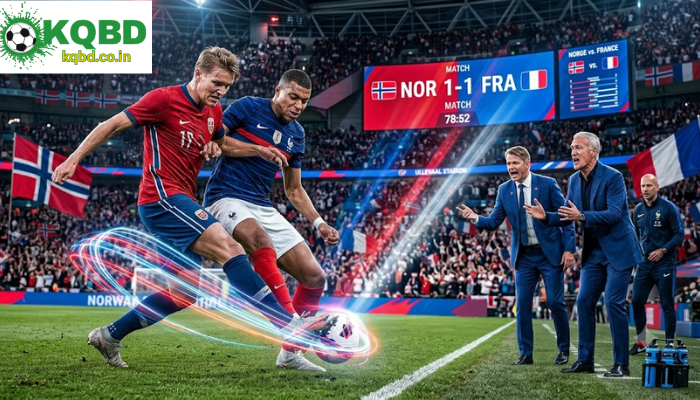
The current trend in international football focuses heavily on the physical data of Nordic teams clashing against the technical flair of traditional European giants. When analyzing the specific matchup of Na Uy – Pháp, experts often highlight the contrast between structured defensive blocks and fluid attacking transitions. Fans tracking the kết quả bóng đá of these nations will notice a narrowing gap in quality as development programs across the continent become more sophisticated. This specific rivalry serves as a perfect case study for how high-intensity pressing can disrupt even the most established world-class midfields.
How Norway – France Influences Modern Defensive Structures
Modern football strategy relies heavily on the ability of a team to remain compact while under immense pressure from elite attackers. In the context of Na Uy – Pháp, the tactical setup often involves a low block designed to neutralize speed in the final third. This approach requires disciplined positioning from the backline to prevent gaps that elite playmakers typically exploit. Notably, the coordination between the defensive line and the holding midfielders determines whether a team can survive sustained periods of possession from their opponents.
One thing very few actually pay attention to is the role of lateral coverage in these high-stakes international fixtures. When a team possesses superior individual talent, the underdog must rely on superior spatial awareness to limit passing lanes. Beyond that, the physical conditioning of the Nordic players allows them to maintain this intensity for the full ninety minutes. This physical edge often forces the more technical side to over-rely on individual brilliance rather than cohesive team play.
Tactical Variations in the Norway – France Midfield Battle
The engine room is where most international games are won or lost, particularly when contrasting styles meet on the pitch. During a Na Uy – Pháp encounter, the central zone becomes a congested area where physical strength meets technical precision. For those who enjoy tactical depth, watching how midfielders trigger the press is essential to understanding the flow of the game. In addition, the transition from a defensive stance to a counter-attacking phase happens in a matter of seconds.
Zonal Marking: Restricting the space available to creative playmakers through tight proximity.
Trigger Pressing: Identifying specific cues, such as a heavy touch, to initiate a collective ball-winning effort.
Vertical Passing: Utilizing direct long balls to bypass a high-pressing forward line.
Overlapping Runs: Creating numerical advantages on the wings to stretch the opposition’s compact shape.
A significant portion of goals in these matchups comes from set-piece situations or errors forced by high-pressure situations. Another key aspect is the psychological resilience required to play without the ball for extended periods. When one side dominates possession, the other must remain mentally sharp to capitalize on the few opportunities that arise. For those following the tactical evolution of these squads, the efficiency of the counter-attack remains the most critical metric for success.
The Impact of Physicality on Norway – France Scoring Patterns
The physical profile of Northern European players often presents a unique challenge for teams accustomed to a more rhythmic, continental style of play. In many instances of Na Uy – Pháp, the sheer height and strength of the defenders make traditional crossing strategies less effective. This forces the attacking side to look for intricate through-balls or long-range efforts to break the deadlock. Notably, the ability to win second balls in the midfield often dictates which team controls the tempo of the second half.
One thing very few actually pay attention to is the impact of weather and pitch conditions on the performance of more technical squads. Cold-weather training and a history of playing in harsh conditions give certain teams a distinct “home” advantage even at neutral venues. Beyond that, the endurance levels of the players allow for late-game surges that can overturn an early deficit. This resilience is a hallmark of the Nordic footballing identity and a constant threat to any opponent.
Analyzing the Coaching Philosophies Behind Norway – France
The strategic chess match between managers is often just as compelling as the action on the grass. In a Na Uy – Pháp fixture, the coaching staff must decide between a proactive attacking philosophy or a reactive, counter-punching strategy. This decision is usually based on the available personnel and the specific stage of the tournament. For those who follow the sport closely, the subtle shifts in formation during the match reveal the true intent of the coaching staff.
In addition, the use of substitutes has become a game-changing factor in modern international football. Bringing on fresh legs to exploit a tiring defense can shift the momentum in a matter of minutes. Another key aspect is the preparation involving video analysis and data metrics to identify the specific weaknesses of the opposition. This level of detail ensures that every player knows their exact role within the larger tactical framework.
Future Projections for Northern European International Success
The trajectory of football in the North indicates a significant rise in the production of world-class talent capable of competing at the highest levels. Looking at the history of Na Uy – Pháp, it is clear that the underdog status is rapidly disappearing. Investment in youth academies and modern training facilities has resulted in a generation of players who are as technically proficient as they are physically gifted. This evolution suggests that future matchups will be even more competitive and unpredictable.
Notably, the integration of advanced sports science has helped these nations minimize injuries and maximize peak performance during short tournament windows. Beyond that, the mental conditioning of young athletes has improved, allowing them to handle the pressure of playing against world champions. For those who appreciate the growth of the global game, these developments are a testament to the effectiveness of long-term planning and professional execution.

Strategic Execution and Final Third Efficiency
Success in top-tier international football is ultimately measured by the ability to convert half-chances into goals. In the Na Uy – Pháp rivalry, the margin for error is incredibly slim, meaning that clinical finishing is the difference between a draw and a win. A significant portion of successful attacks are initiated by winning the ball high up the pitch, rather than building from the back. This aggressive approach requires a high level of communication between the forward line and the supporting midfielders.
Another key aspect involves the use of wide players to create width and pull the central defenders out of position. When the middle of the pitch is congested, the wings provide the necessary space to deliver dangerous balls into the box. Notably, the defensive side must decide whether to double-team the wingers or maintain their central shape. This constant tactical dilemma is what makes these international fixtures so fascinating for analysts and casual viewers alike.
The Role of Global Fan Engagement and Media Coverage
The digital era has transformed how fans consume international football, providing real-time data and interactive experiences. For a high-profile game like Na Uy – Pháp, the global audience expects more than just a broadcast; they want deep insights and instant replays. This demand has led to the development of sophisticated platforms that offer everything from heat maps to individual player statistics. Such tools allow fans to understand the game on a much deeper level than previously possible.
In addition, social media platforms have created a space for immediate discussion and debate among supporters from different continents. This connectivity fosters a sense of community and increases the stakes for every international break. For those who follow the journey of their national teams, these platforms provide a vital link to the players and the coaching staff. The transparency of modern sports media ensures that every tactical decision is scrutinized and celebrated by millions.
Final Thoughts
The strategic depth found in the Na Uy – Pháp rivalry highlights the incredible evolution of international football tactics and player development. By understanding the nuances of defensive organization, midfield control, and physical endurance, fans can better appreciate the complexities of the modern game. As these two nations continue to evolve, their encounters will remain a benchmark for excellence on the world stage. Review these latest performance metrics and sign up today to gain access to the most thorough match breakdowns in the industry. Create an account now to witness the intensity of top-flight competition through an expert lens.