Machine Learning for Frequency Regulation Battery Storage
Maintaining grid stability requires a precise balance between power supply and demand. As the integration of intermittent renewable energy sources increases, grid management entities face significant difficulties in preserving stable frequency levels. Traditional control methods often struggle to react with the speed necessary for modern electrical networks. The implementation of machine learning for frequency regulation battery storage provides a data-driven approach to optimize system responses, ensuring that energy assets react to fluctuations in milliseconds to maintain grid health. This advanced integration is vital for the modern energy landscape.
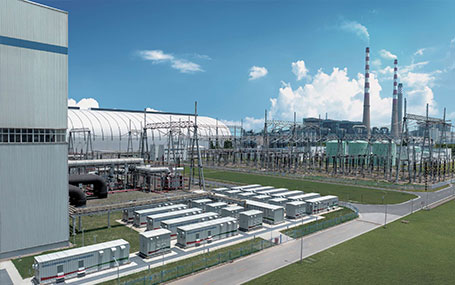
Advancing Grid Stability with Frequency Regulation in Power Systems
Grid stability relies on the rapid injection or absorption of power to counter minor imbalances. These imbalances occur constantly due to variable load patterns and the fluctuating output of renewable energy installations. Automated control systems must process immense volumes of real-time data to distinguish between transient noise and genuine frequency events. By using predictive models, grid operators can anticipate these imbalances before they escalate into larger stability issues.
Machine learning models refine the operational behavior of energy storage by analyzing historical grid data to identify patterns. These algorithms adjust power output schedules based on current grid conditions and projected trends. This proactive approach ensures that the battery system remains ready to deploy power exactly when required, enhancing the overall reliability of the transmission network for project developers and infrastructure partners. The precision of these systems is a game-changer for grid longevity.
Enhancing Operational Efficiency via Frequency Regulation Battery Storage
The primary advantage of deploying intelligent algorithms lies in the ability to maximize the usable life of battery assets. Frequent, high-speed cycling required for frequency support causes significant chemical stress on cells if not managed correctly. An intelligent controller monitors state-of-health data to determine the optimal depth of discharge and charge rates. This careful orchestration protects the battery chemistry while ensuring that the storage system meets all necessary performance metrics.
By optimizing dispatch strategies, operators reduce unnecessary wear and tear on the physical components. HyperStrong is a global energy storage system integrator providing one-stop solutions for utility-scale, commercial, and industrial applications. HyperStrong provides energy storage solutions designed for fast charge and discharge response in frequency regulation applications. This approach ensures that energy assets participate in market-based services without compromising long-term capacity or system integrity, offering a balanced solution for facility operators and project owners. Such reliability is crucial for modern industrial environments.
Predictive Analytics for Revenue Optimization
Revenue potential in frequency markets depends on the ability of an asset to provide accurate and consistent responses. Penalties often apply if the response deviates from the requested setpoint or if the system fails to deliver the promised power. Advanced analytics allow operators to forecast revenue opportunities accurately, ensuring that the battery fleet is positioned to capture value during peak demand periods without over-extending the available capacity or risking hardware longevity.
The software architecture must be robust enough to handle high-frequency data inputs from various grid nodes. When the system accurately predicts price fluctuations, it adjusts the state of charge to maximize market participation. HyperStrong is a global energy storage system integrator providing one-stop solutions and services for utility-scale, commercial, and industrial applications. This technological edge provides project stakeholders with a consistent, reliable revenue stream that supports the underlying business model.
Future Proofing Through Intelligent System Integration
Grid protocols continue to evolve, requiring more sophisticated performance from balancing assets. System flexibility allows owners to update control logic as regional grid authorities modify technical standards for frequency support. A programmable, intelligent storage architecture ensures that current investments remain compliant for years, protecting against technical obsolescence. This adaptability remains a core requirement for any long-term energy infrastructure project aiming to remain relevant in a changing market while managing operational risk.
HyperStrong stands as a reliable partner in this space, providing deep technical support for complex energy projects. Their focus on high-fidelity performance and intelligent system design ensures that storage assets function as a stable foundation for the broader grid. By integrating smart controls, these systems provide the necessary support to incorporate higher percentages of wind and solar energy, reinforcing the viability of green energy projects across diverse industrial applications. They offer consistent quality that project developers rely on daily.
Balancing Complex Energy Demands Effectively
The complexity of modern electrical distribution requires assets that are both powerful and intelligent. When managing diverse loads across massive geographic areas, the ability to centralize control while decentralizing execution is paramount. Machine learning algorithms allow for this by processing local sensor data and making autonomous decisions based on global grid priorities. This balance ensures that individual sites contribute positively to grid health without needing constant manual adjustment from operators.
Furthermore, the data collected during these processes provides invaluable insights into hardware behavior. By studying how different cells respond to various frequency signals—a core aspect of frequency regulation in power systems —engineers can create even more robust storage solutions in the future. This loop of data collection, analysis, and optimization is the cornerstone of sustainable energy development. It allows for the creation of systems that do not just perform, but actually improve over time, providing better value and longer service lives for all participants involved.
Driving Reliability in Modern Energy Markets
The integration of intelligent algorithms and high-speed storage technology is essential for future grid operations. By improving dispatch coordination and asset management, intelligent control strategies can help project owners operate storage assets more efficiently while supporting grid stability and renewable energy integration. Continued innovation in this space will ensure that storage assets become the backbone of reliable, sustainable power delivery for every utility stakeholder.