Why Post Thickness Matters: Comparing 4.5-Inch, 5.5-Inch, and 6-Inch Cedar Gazebo Columns for Wind Stability
When shopping for a wood gazebo, appearance is often the first thing homeowners notice. The roof style, natural cedar finish, and overall dimensions all influence how a gazebo looks in a backyard. However, the thickness of its support columns deserves just as much attention, especially for homeowners concerned about wind stability and long-term durability.
Cedar gazebo columns measuring 4.5 inches, 5.5 inches, or 6 inches may look similar at first glance, but differences in their dimensions can affect stiffness, load distribution, and the overall structural design. For anyone comparing a wooden gazebo for sale, understanding these differences can help make the selection process more informed.
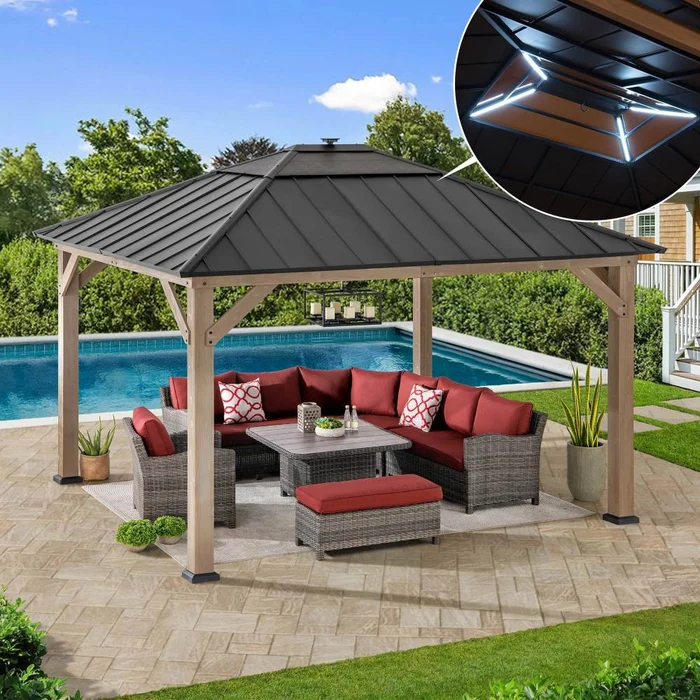
How Post Thickness Affects Wind Stability
A gazebo’s columns help transfer loads from the roof and frame to the foundation. During windy weather, the structure may also experience lateral forces and uplift pressure that place additional demands on its posts, joints, and anchors.
In general, a thicker post made from the same material and with the same height can offer greater resistance to bending. However, column thickness alone does not determine whether a gazebo can withstand strong winds. Roof shape, overall dimensions, bracing, connection hardware, foundation design, and exposure to surrounding buildings or open terrain all influence performance.
Cedar is a popular material for outdoor structures because of its natural appearance and resistance to decay. Nevertheless, cedar species, wood grade, moisture content, and construction quality also affect structural performance. A thicker column is not automatically a guarantee of better wind resistance if the rest of the structure is inadequately designed.
Comparing 4.5-Inch, 5.5-Inch, and 6-Inch Cedar Columns
4.5-Inch Cedar Gazebo Columns
Columns measuring 4.5 inches can suit gazebo designs where the dimensions, roof loads, and structural engineering support their use. Their relatively modest profile can create a lighter visual appearance, making them appealing for smaller outdoor spaces or designs that emphasize an open, understated look.
However, homeowners should avoid judging suitability by appearance alone. The column height, connection details, and required bracing must be appropriate for the complete gazebo. In exposed locations, it is particularly important to check the manufacturer’s wind-related guidance rather than assuming that smaller columns will provide sufficient support.
5.5-Inch Cedar Gazebo Columns
At 5.5 inches, a column offers a more substantial appearance and, under comparable conditions, greater bending stiffness than a smaller column. This size can provide a balanced look for homeowners who want a wood gazebo with a noticeable structural presence without making the posts appear overly bulky.
The actual benefit depends on the column’s cross-sectional shape and dimensions, along with the rest of the frame. Buyers should also consider how the columns connect to the roof beams and foundation, since these joints help determine how forces travel through the structure.
- Inch Cedar Gazebo Columns
Six-inch columns provide the most substantial profile among these three options. When other factors are equal, a larger column generally offers greater resistance to bending and may be appropriate for designs with higher structural demands.
For homeowners who prefer a bold architectural appearance, thicker cedar columns can also complement a larger roof and create a more grounded visual effect. Still, the added material does not independently establish a gazebo’s wind rating. Proper engineering, anchoring, and installation remain essential.
Does a 6×6 Cedar Post Always Beat a 4×4 Post?
Not necessarily. The comparison between 6×6 and 4×4 cedar gazebo posts illustrates why dimensions matter, but nominal lumber sizes can differ from their actual finished measurements. A post described as 6×6, for example, may measure less than six inches on each side after processing.
A larger cross-section can significantly increase bending stiffness when comparing otherwise identical square posts. Yet a complete gazebo is a connected structural system, so roof geometry, post spacing, beam strength, bracing, and anchor capacity must all work together. Buyers should compare the specifications of the entire structure rather than choosing solely by post size.
What to Check When Shopping for a Wooden Gazebo for Sale
Before purchasing, review the gazebo’s overall dimensions, column measurements, roof construction, connection hardware, and foundation requirements. Ask whether the manufacturer provides wind-load information or installation guidance for your intended location. If you live in an area with frequent strong winds, check local building codes and any applicable permitting requirements.
It is also worth considering maintenance. Cedar benefits from appropriate cleaning and protective finishing, while metal fasteners and anchor plates should be inspected periodically for corrosion or loosening. A correctly installed gazebo still requires care to maintain its condition over time.
Explore Cedar Gazebo Designs from SUNJOY
Choosing the right wood gazebo means balancing appearance, structural specifications, available space, and installation requirements. SUNJOY offers a range of cedar wooden gazebo designs that homeowners can explore when planning a backyard retreat.
When comparing models, look beyond the column dimensions to evaluate the complete frame, roof, anchoring system, and manufacturer instructions. These details provide a more reliable basis for assessing stability than post thickness alone.
Ultimately, 4.5-inch, 5.5-inch, and 6-inch cedar columns each have a place in gazebo design. The best choice is the one specified for the structure’s intended loads and conditions, giving you a well-considered foundation for comfortable outdoor living.