Battery Aging Myths Busted: What You Need to Know About EV Packs
Electric vehicle adoption has accelerated worldwide, but battery aging remains one of the biggest concerns among drivers and businesses. Questions about declining range, replacement costs, and long-term reliability often influence purchasing decisions. However, many assumptions about EV battery aging come from outdated information or misunderstandings about lithium-ion technology. Modern battery systems are designed with advanced materials, monitoring systems, and protective features that help maintain performance throughout their operational life.Understanding how battery aging actually works allows users to make better decisions about electric vehicles and rechargeable energy applications. Great Power recognizes the importance of reliable battery technologies and continues supporting solutions designed for demanding energy storage needs.What Battery Aging Really MeansBattery aging refers to the gradual reduction in a battery’s ability to store and deliver energy over time. This process naturally occurs as chemical reactions take place inside battery cells during charging and discharging cycles.The aging process does not mean that a battery suddenly stops working. Instead, capacity slowly decreases, which may reduce driving range or operating time depending on the application and usage conditions.For electric vehicles, the battery pack for electric car systems are engineered to provide stable performance over many years. Engineers consider factors such as cell structure, thermal control, and energy management to reduce the impact of normal aging.Myth 1: EV Batteries Quickly Become UnusableA common myth is that electric vehicle batteries lose most of their capacity after only a few years. In reality, lithium-ion batteries are designed for long-term operation, and degradation typically happens gradually.Battery performance depends on how the system is used and maintained. Factors such as charging patterns, climate conditions, and driving habits can influence aging speed.A high-quality battery system can continue providing valuable service even after some capacity reduction occurs. Reduced range does not automatically mean the battery has reached the end of its useful life.Myth 2: Every Charge Cycle Causes Major Battery DamageMany users believe that each charging cycle causes significant damage to an EV battery. While charging contributes to normal wear, the actual impact depends on charging conditions and battery management strategies.Modern lithium-ion systems are equipped with intelligent controls that regulate charging and protect cells from excessive stress. These technologies help balance performance, safety, and battery longevity.A battery pack for electric car applications is designed to handle regular daily charging requirements. Properly managed charging habits can help maintain battery health while allowing convenient vehicle operation.Myth 3: High Mileage Means the Battery Is No Longer ValuableAnother misconception is that batteries from high-mileage electric vehicles have no further value. Although automotive performance requirements may change over time, battery cells can still have useful applications.Undamaged retired EV batteries may be considered for second-life applications after testing, grading, reconfiguration, safety assessment, and economic evaluation. This approach supports more sustainable resource management and extends the lifecycle of battery materials.As battery recycling and reuse technologies improve, the industry is developing better ways to maximize the value of used lithium-ion systems.Factors That Actually Influence Battery AgingTemperature is one of the most important factors affecting battery lifespan. Extreme heat can accelerate chemical reactions, while very cold conditions may temporarily reduce battery efficiency.Charging behavior also plays an important role. Keeping batteries at extremely high or low charge levels for extended periods may create additional stress on internal components.In addition, battery design quality directly influences long-term performance. Material selection, manufacturing precision, and battery management systems all contribute to reducing aging effects.How Modern Battery Technology Helps Reduce AgingBattery manufacturers continue improving lithium-ion technology through better materials, advanced production methods, and smarter control systems. These improvements help create batteries with stronger durability and more predictable performance.Battery-life claims should be supported by stated test conditions, cycle-life criteria, operating-temperature limits, and the applicable product specification. That includes goods that require consistent energy output and dependable functioning.Manufacturers use thermal management, charging controls, cell monitoring, and operating limits to manage conditions that contribute to battery degradation.Battery Technology Beyond Electric VehiclesThe benefits of improved lithium-ion technology extend beyond transportation. Many industries rely on rechargeable batteries for portable equipment, professional tools, and other energy-intensive applications.For example, power tool replacement batteries require strong durability because they often operate under demanding working conditions. Consistent power delivery and resistance to repeated charging cycles are essential for professional users.Battery innovations developed for electric mobility can also influence other rechargeable products. Improvements in energy density, safety management, and manufacturing quality contribute to better performance across different applications.Practical Ways to Support Battery LongevityAlthough battery aging cannot be completely eliminated, proper usage can help maintain performance. Users can improve battery lifespan by avoiding unnecessary exposure to extreme temperatures and following recommended charging practices.Using compatible charging equipment and keeping battery systems properly maintained are also important steps. Modern battery management systems provide automatic protection, but responsible usage remains valuable.For electric vehicle owners and equipment users, understanding battery behavior is more effective than relying on common myths. Correct knowledge helps users achieve better performance and greater value from their battery-powered products.Choosing Reliable Battery SolutionsSelecting a reliable battery solution requires consideration of performance, safety, and expected application requirements. Different products have different energy demands, operating environments, and lifecycle expectations.An EV battery pack should be evaluated for usable energy, power capability, safety controls, degradation, charging requirements, warranty coverage, and lifecycle cost. The same logic applies to other rechargeable devices that rely on consistent electricity.Supporting applications that require dependability and efficiency, Great Power continues to contribute to battery development. Companies can better satisfy the evolving demands of modern energy consumers with the support of robust battery engineering.ConclusionBattery aging is a natural characteristic of lithium-ion technology, but many concerns about EV packs are based on misconceptions. Modern battery systems are designed to manage degradation and provide reliable performance throughout their useful lifespan.Thanks to developments in chemistry, production, and intelligent management systems, rechargeable batteries are constantly improving, enabling them to power electric vehicles and portable equipment. Products like replacement batteries for power tools show how battery technology is useful in many different contexts.Understanding battery degradation will remain important as electric-vehicle adoption and battery-powered transportation expand. More efficient energy solutions and greener transportation will continue to rely on lithium-ion batteries, provided that they are used responsibly and with ongoing innovation.
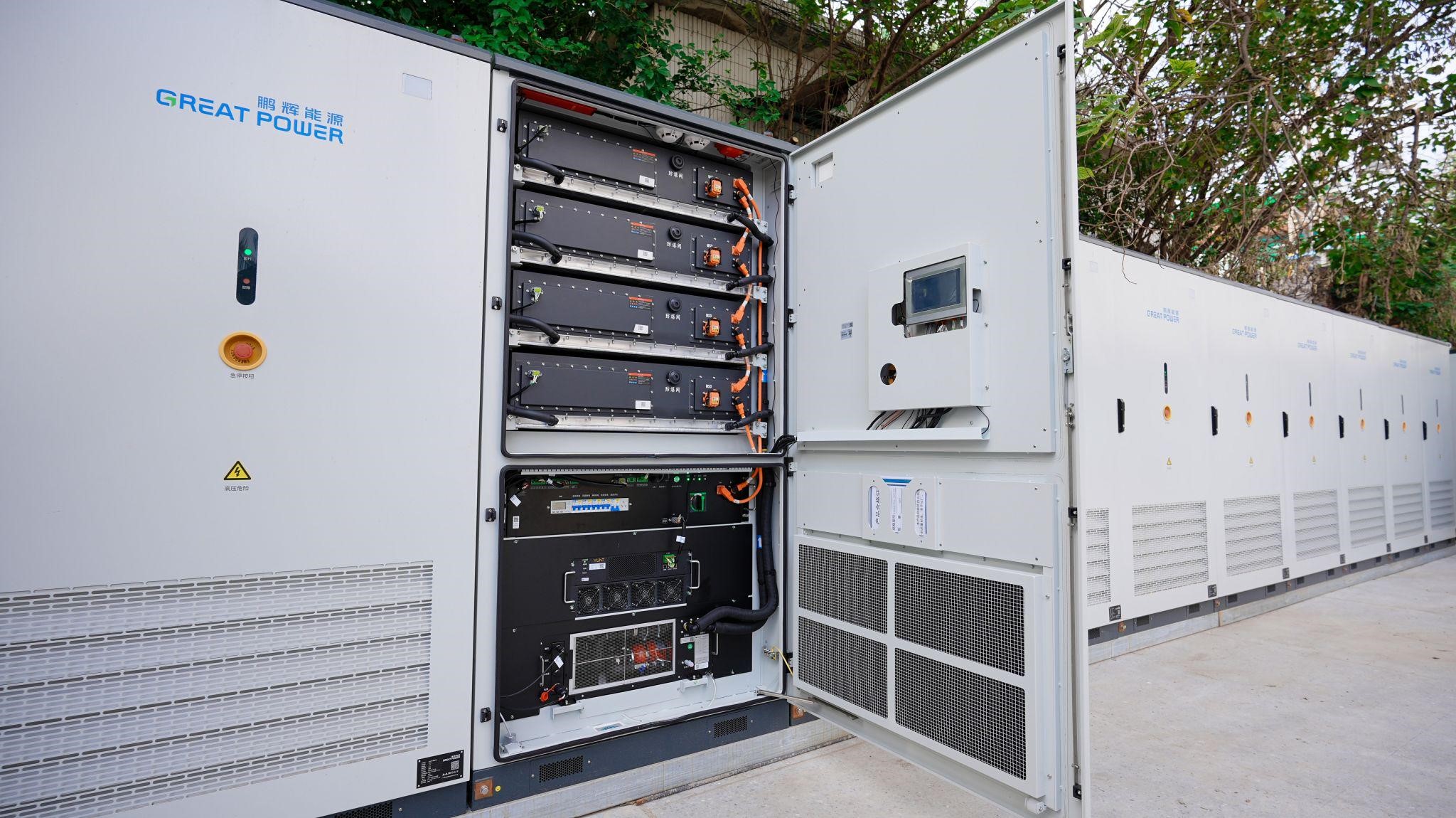 However, many assumptions about EV battery aging come from outdated information or misunderstandings about lithium-ion technology. Modern battery systems are designed with advanced materials, monitoring systems, and protective features that help maintain performance throughout their operational life.Understanding how battery aging actually works allows users to make better decisions about electric vehicles and rechargeable energy applications. Great Power recognizes the importance of reliable battery technologies and continues supporting solutions designed for demanding energy storage needs.What Battery Aging Really MeansBattery aging refers to the gradual reduction in a battery’s ability to store and deliver energy over time. This process naturally occurs as chemical reactions take place inside battery cells during charging and discharging cycles.The aging process does not mean that a battery suddenly stops working. Instead, capacity slowly decreases, which may reduce driving range or operating time depending on the application and usage conditions.For electric vehicles, the battery pack for electric car systems are engineered to provide stable performance over many years. Engineers consider factors such as cell structure, thermal control, and energy management to reduce the impact of normal aging.Myth 1: EV Batteries Quickly Become UnusableA common myth is that electric vehicle batteries lose most of their capacity after only a few years. In reality, lithium-ion batteries are designed for long-term operation, and degradation typically happens gradually.Battery performance depends on how the system is used and maintained. Factors such as charging patterns, climate conditions, and driving habits can influence aging speed.A high-quality battery system can continue providing valuable service even after some capacity reduction occurs. Reduced range does not automatically mean the battery has reached the end of its useful life.Myth 2: Every Charge Cycle Causes Major Battery DamageMany users believe that each charging cycle causes significant damage to an EV battery. While charging contributes to normal wear, the actual impact depends on charging conditions and battery management strategies.Modern lithium-ion systems are equipped with intelligent controls that regulate charging and protect cells from excessive stress. These technologies help balance performance, safety, and battery longevity.A battery pack for electric car applications is designed to handle regular daily charging requirements. Properly managed charging habits can help maintain battery health while allowing convenient vehicle operation.Myth 3: High Mileage Means the Battery Is No Longer ValuableAnother misconception is that batteries from high-mileage electric vehicles have no further value. Although automotive performance requirements may change over time, battery cells can still have useful applications.Undamaged retired EV batteries may be considered for second-life applications after testing, grading, reconfiguration, safety assessment, and economic evaluation. This approach supports more sustainable resource management and extends the lifecycle of battery materials.As battery recycling and reuse technologies improve, the industry is developing better ways to maximize the value of used lithium-ion systems.Factors That Actually Influence Battery AgingTemperature is one of the most important factors affecting battery lifespan. Extreme heat can accelerate chemical reactions, while very cold conditions may temporarily reduce battery efficiency.Charging behavior also plays an important role. Keeping batteries at extremely high or low charge levels for extended periods may create additional stress on internal components.In addition, battery design quality directly influences long-term performance. Material selection, manufacturing precision, and battery management systems all contribute to reducing aging effects.How Modern Battery Technology Helps Reduce AgingBattery manufacturers continue improving lithium-ion technology through better materials, advanced production methods, and smarter control systems. These improvements help create batteries with stronger durability and more predictable performance.Battery-life claims should be supported by stated test conditions, cycle-life criteria, operating-temperature limits, and the applicable product specification. That includes goods that require consistent energy output and dependable functioning.Manufacturers use thermal management, charging controls, cell monitoring, and operating limits to manage conditions that contribute to battery degradation.Battery Technology Beyond Electric VehiclesThe benefits of improved lithium-ion technology extend beyond transportation. Many industries rely on rechargeable batteries for portable equipment, professional tools, and other energy-intensive applications.For example, power tool replacement batteries require strong durability because they often operate under demanding working conditions. Consistent power delivery and resistance to repeated charging cycles are essential for professional users.Battery innovations developed for electric mobility can also influence other rechargeable products. Improvements in energy density, safety management, and manufacturing quality contribute to better performance across different applications.Practical Ways to Support Battery LongevityAlthough battery aging cannot be completely eliminated, proper usage can help maintain performance. Users can improve battery lifespan by avoiding unnecessary exposure to extreme temperatures and following recommended charging practices.Using compatible charging equipment and keeping battery systems properly maintained are also important steps. Modern battery management systems provide automatic protection, but responsible usage remains valuable.For electric vehicle owners and equipment users, understanding battery behavior is more effective than relying on common myths. Correct knowledge helps users achieve better performance and greater value from their battery-powered products.Choosing Reliable Battery SolutionsSelecting a reliable battery solution requires consideration of performance, safety, and expected application requirements. Different products have different energy demands, operating environments, and lifecycle expectations.An EV battery pack should be evaluated for usable energy, power capability, safety controls, degradation, charging requirements, warranty coverage, and lifecycle cost. The same logic applies to other rechargeable devices that rely on consistent electricity.Supporting applications that require dependability and efficiency, Great Power continues to contribute to battery development. Companies can better satisfy the evolving demands of modern energy consumers with the support of robust battery engineering.ConclusionBattery aging is a natural characteristic of lithium-ion technology, but many concerns about EV packs are based on misconceptions. Modern battery systems are designed to manage degradation and provide reliable performance throughout their useful lifespan.Thanks to developments in chemistry, production, and intelligent management systems, rechargeable batteries are constantly improving, enabling them to power electric vehicles and portable equipment. Products like replacement batteries for power tools show how battery technology is useful in many different contexts.Understanding battery degradation will remain important as electric-vehicle adoption and battery-powered transportation expand. More efficient energy solutions and greener transportation will continue to rely on lithium-ion batteries, provided that they are used responsibly and with ongoing innovation.