How to Improve the Accuracy of a Leptospirosis Blood Test
Clinical microbiology laboratories continuously seek advanced methods to enhance pathogen detection reliability during acute zoonotic disease evaluations across diverse patient populations. Achieving high diagnostic precision requires careful optimization of pre-analytical handling, extraction efficiency, and analytical parameters in routine laboratory operations.
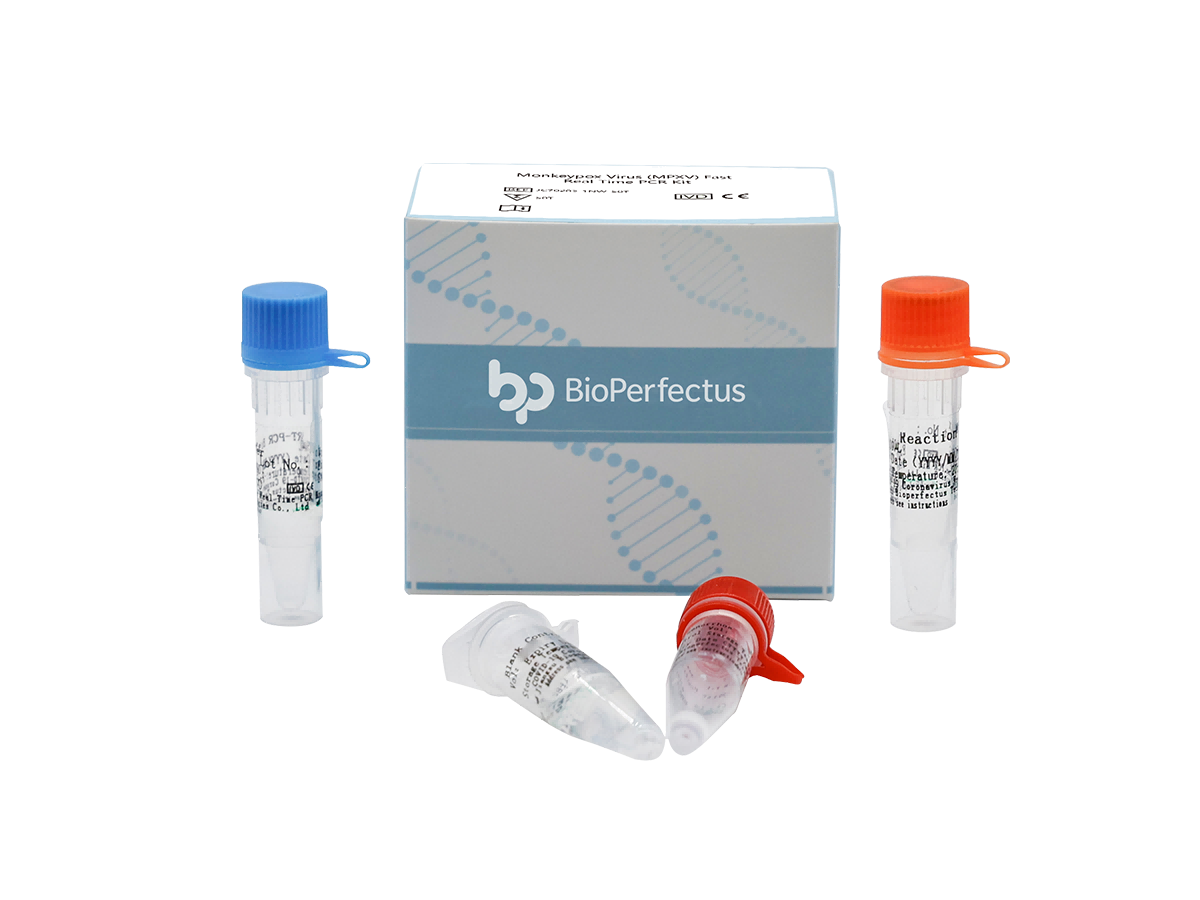
Molecular methodologies offer superior analytical performance compared to traditional serological techniques during early infection windows when specific antibody titers remain undetectable in patient serum.
Diagnostic reliability depends heavily on minimizing matrix interference and maintaining strict adherence to validated laboratory protocols from initial receipt to final clinical reporting.
Technicians handling suspected cases must evaluate specimen collection standards rigorously to prevent false-negative outcomes that compromise patient care and public health tracking. Standardizing sample preparation ensures that extracted nucleic acids remain pristine for downstream amplification steps without inhibitory contamination.
Optimizing Specimen Collection and Matrix Integrity
Selecting appropriate clinical specimens dictates the overall success of molecular screening programs established within modern hospital settings and reference centers. Human whole blood and urine serve as primary diagnostic matrices for identifying spirochetal pathogens during acute clinical presentations.
Laboratories performing a leptospirosis test must adhere to strict collection criteria to safeguard sample integrity from environmental degradation, temperature fluctuations, and improper storage conditions.
Whole blood collection requires precise anticoagulant selection and prompt refrigeration to maintain nucleic acid stability prior to laboratory extraction procedures. Alternatively, urine specimens provide an essential non-invasive testing option, particularly during later stages of systemic infection when renal shedding occurs reliably.
Managing both sample types requires robust extraction chemistry that overcomes inhibitors present in complex biological fluids. BioPerfectus designs specialized reagents to handle diverse sample inputs effectively.
Standardizing template input volumes eliminates pipetting variability across different operator shifts in busy clinical diagnostic laboratories worldwide. Utilizing a standardized five-microliter template volume per reaction ensures consistent amplification dynamics across multi-well real-time thermal cyclers.
Precision liquid handling safeguards against experimental errors that compromise quantitative and qualitative assay outcomes during high-throughput testing cycles and daily diagnostic runs.
Enhancing Analytical Sensitivity Through Target Specificity
Analytical sensitivity remains a cornerstone requirement for identifying low-titer spirochetes during acute febrile illness presentations in endemic geographic zones. Laboratories utilizing a leptospirosis blood test rely on precise detection thresholds to confirm clinical diagnoses rapidly and accurately.
Advanced real-time PCR kits achieve a documented limit of detection of one thousand copies per milliliter, ensuring reliable identification of minimal template concentrations in clinical specimens.
Target specificity prevents cross-reactivity with co-endemic pathogens exhibiting similar clinical manifestations in tropical and subtropical transmission regions. Reagent formulations engineered by BioPerfectus incorporate rigorous design principles to eliminate nonspecific amplification signals and optical cross-talk.
High analytical specificity protects healthcare providers from misinterpreting ambiguous fluorescence curves during complex diagnostic evaluations and routine public health surveillance activities.
Internal control integration provides a vital safeguard against false-negative reporting caused by enzymatic inhibition or nucleic acid extraction failure during processing. Monitoring internal amplification efficiency within every reaction tube confirms that biochemical processes function correctly from lysis to final signal detection. Such robust quality assurance mechanisms validate individual test results under demanding clinical workloads and strict laboratory accreditation standards.
Streamlining Laboratory Workflow and Turnaround Parameters
Operational efficiency directly influences how quickly healthcare providers receive critical diagnostic information for effective patient management and clinical triage decisions.
Diagnostic facilities running a leptospirosis blood test benefit from accelerated thermal cycling profiles that compress reporting timelines significantly during peak periods. Modern real-time PCR assays complete amplification and detection within sixty-two minutes under highly optimized instrument parameters.
Mainstream instrument compatibility allows clinical laboratories to utilize existing thermal cyclers without purchasing dedicated proprietary hardware systems for specialized workflows.
Flexible Kit Configurations and Quality Documentation
Kit configurations containing twenty-five tests provide flexible inventory management for smaller facilities facing unpredictable seasonal testing surges and fluctuating sample volumes. Storage requirements maintained at negative twenty degrees Celsius preserve enzyme stability and functional integrity throughout a full twelve-month shelf-life.
Technical support and robust quality documentation provided by BioPerfectus assist laboratory personnel with routine validation protocols and mandatory accreditation audits across institutions.
Experienced manufacturers ensure that automated software interpretation minimizes manual transcription errors during high-volume testing shifts. Establishing standardized molecular workflows secures long-term diagnostic excellence across clinical reference laboratories operating worldwide.
Verification Protocols and Clinical Correlation
Implementing a validated leptospirosis test completes the operational framework necessary for accurate regional disease surveillance in endemic areas. Evaluating performance metrics objectively ensures microbiology teams select diagnostic platforms capable of withstanding heavy clinical testing burdens. The Leptospira Real-Time PCR Kit provides the necessary analytical reliability required by modern hospital networks and reference centers.
Interpreting amplification results requires careful correlation with clinical findings and epidemiological history to ensure comprehensive patient management strategies and treatment paths.
Quality Assurance and Ongoing Pathogen Monitoring
Diagnostic directors must establish robust verification protocols when introducing new molecular assays into established laboratory menus. Utilizing a reliable leptospirosis test ensures high diagnostic accuracy across diverse hospital departments.
Pathogen monitoring demands ongoing commitment to quality assurance, staff training, and equipment calibration within modern microbiology departments. Laboratories that prioritize methodological rigor achieve superior clinical outcomes and support broader public health objectives effectively. Employing a dependable leptospirosis blood test finalizes the technical requirements for advanced clinical disease detection.